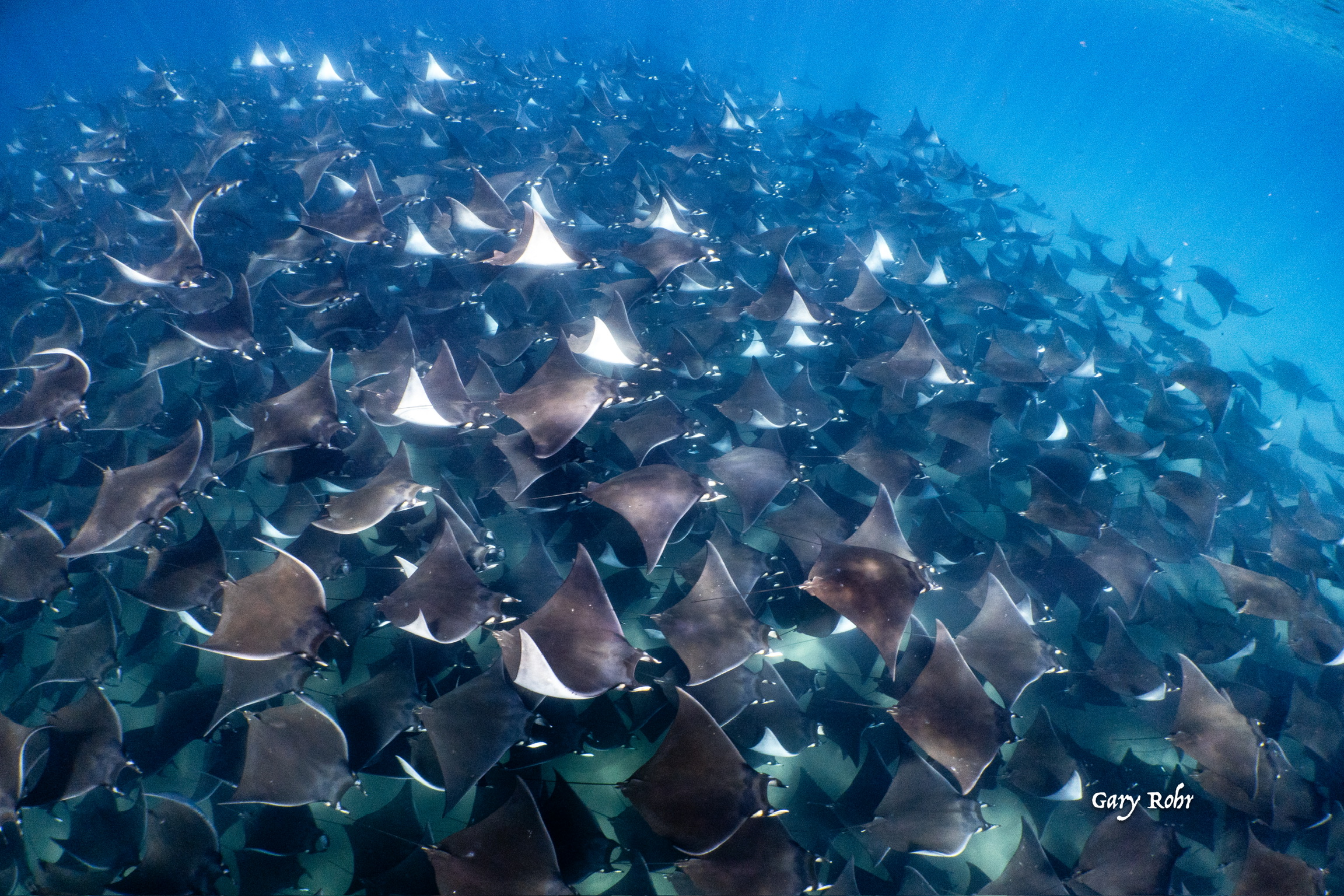
Los Cabos Mobula Ray Snorkeling
Depart from Cabo San Lucas to witness one of Baja's most extraordinary wildlife phenomena—thousands of mobula rays gathering in massive schools with spectacular surface displays.
Seasonal Experience: March – June | Peak Season: April – May
Experience One of Nature's Most Spectacular Wildlife Phenomena
Several times each year, one of Baja California Sur's most extraordinary wildlife phenomena unfolds. Thousands of mobula rays—small, graceful cousins of the manta ray—gather in massive schools and leap spectacularly out of the water, creating an unforgettable and awe-inspiring display of natural chaos and beauty.
This gathering is sometimes called a "fever" of rays. Scientists still don't fully understand why they leap with such intensity—theories include feeding behavior, communication, reproduction, or parasite removal. What we do know is that witnessing this phenomenon transforms your relationship with the ocean.
This is a personalized, flexible private expedition led by expert guides with deep knowledge of mobula ray behavior and seasonal patterns. Rather than following rigid schedules, your guide customizes locations and timing based on real-time ray activity, weather, and your group's preferences. Every mobula ray expedition is unique because this is a completely wild, natural phenomenon.
Expedition Highlights
What makes the mobula ray experience extraordinary
Seasonal Mobula Ray Aggregations
Witness thousands of mobula rays gathering in massive schools during peak season. These gatherings are one of Baja's most spectacular natural phenomena—chaotic, dynamic, and utterly unforgettable.
Snorkeling with Massive Ray Schools
When conditions permit, enter the water and experience the extraordinary sensation of being surrounded by thousands of graceful rays. Snorkeling alongside active schools offers perspectives impossible from the boat.
Surface Displays & Spectacular Jumping
Mobula rays leap 6+ feet out of the water in dynamic surface displays. Watching hundreds of rays launching simultaneously creates one of nature's most remarkable spectacles. Every moment is different as ray behavior naturally varies.
Professional Expedition Leadership
PADI-certified guides with deep experience tracking seasonal aggregations and understanding ray behavior. Expert seamanship combined with genuine marine education and commitment to safety and conservation.
Small Private Groups
Private expeditions customized to your group size and interests. No crowding, no fixed group assignments—just your group, your guide, and an extraordinary ocean experience tailored specifically for you.
Flexible Itinerary Based on Wildlife Activity
We don't follow rigid schedules. Your guide selects locations daily based on real-time ray activity, weather conditions, and ocean dynamics. This adaptive approach consistently delivers more extraordinary encounters.
Seasonal Mobula Ray Aggregations
Witness thousands of mobula rays gathering in massive schools during peak season. These gatherings are one of Baja's most spectacular natural phenomena—chaotic, dynamic, and utterly unforgettable.
Snorkeling with Massive Ray Schools
When conditions permit, enter the water and experience the extraordinary sensation of being surrounded by thousands of graceful rays. Snorkeling alongside active schools offers perspectives impossible from the boat.
Surface Displays & Spectacular Jumping
Mobula rays leap 6+ feet out of the water in dynamic surface displays. Watching hundreds of rays launching simultaneously creates one of nature's most remarkable spectacles. Every moment is different as ray behavior naturally varies.
Professional Expedition Leadership
PADI-certified guides with deep experience tracking seasonal aggregations and understanding ray behavior. Expert seamanship combined with genuine marine education and commitment to safety and conservation.
Small Private Groups
Private expeditions customized to your group size and interests. No crowding, no fixed group assignments—just your group, your guide, and an extraordinary ocean experience tailored specifically for you.
Flexible Itinerary Based on Wildlife Activity
We don't follow rigid schedules. Your guide selects locations daily based on real-time ray activity, weather conditions, and ocean dynamics. This adaptive approach consistently delivers more extraordinary encounters.
About Mobula Rays
Understanding these graceful ocean acrobats
Graceful Ocean Acrobats
- • Size: 3-4 feet wingspan (much smaller than manta rays—about the size of a dinner plate)
- • Behavior: Incredible leapers—regularly launch 6+ feet out of water
- • Group Dynamics: Often gather in massive schools called 'fevers'
- • Diet: Filter feeders—primarily plankton and small fish larvae
- • Maneuverability: Among the ocean's most agile creatures with fluid, elegant swimming
Seasonal Presence & Migration
- • Primary Season: March – June throughout Baja California Sur
- • Peak Activity: April – May when water conditions and plankton blooms are optimal
- • Locations: Found throughout Baja depending on plankton distribution and ocean currents
- • Why Gather: Seasonal aggregations coincide with plankton blooms providing abundant food
- • Conservation Status: Protected species with increasing conservation importance
Role in Marine Ecosystems
- • Filter Feeding: Help control plankton populations and maintain ecosystem balance
- • Prey for Larger Predators: Dolphins, sea lions, sharks, and seabirds hunt mobula rays
- • Indicator Species: Their presence indicates healthy plankton levels and productive ocean conditions
- • Seasonal Productivity Markers: Ray aggregations signal peak seasons for other marine life activity
- • Threats: Face pressure from fishing, habitat degradation, and climate impacts
What You'll Experience
Possible Marine Life Encounters
Beyond mobula rays—the biodiversity you may encounter
Mobula Rays
Thousands of mobula rays gather in massive schools during peak season. These graceful creatures leap 6+ feet out of the water in spectacular displays. Watching a 'fever' of mobula rays is one of Baja's most extraordinary wildlife phenomena—chaotic, beautiful, and utterly unforgettable.
Dolphins
Dolphins frequently hunt alongside mobula ray aggregations, feeding on the same plankton blooms that attract the rays. Their intelligence and playful behavior create engaging wildlife moments. Often observed hunting cooperatively in groups.
Sea Lions
Sea lion colonies often gather near active ray aggregations. Their playful, curious behavior and acrobatic swimming make them captivating to observe. Sea lions frequently interact with diving and snorkeling groups respectfully when left undisturbed.
Whales (Seasonal)
During migration season (December-April), occasional humpback or blue whale sightings from the boat between snorkeling areas. These rare encounters add extra magic to an already extraordinary expedition.
Sea Turtles
Sea turtles occasionally appear in the same waters as mobula ray aggregations. These ancient creatures are graceful and gentle—encounters are particularly special given their endangered status and importance to Baja's marine ecosystems.
Pelagic Fish Schools
The plankton blooms that attract mobula rays also draw schooling pelagic fish including jacks, mackerel, and other open-water species. Large fish schools create dynamic hunting displays alongside ray and dolphin activity.
Seabirds & Marine Birds
Brown pelicans, boobies, frigatebirds, and other seabirds dive for fish in the same waters where mobula rays gather. Often observed hunting alongside dolphins and sea lions, creating a dynamic multi-species feeding display.
Other Rays & Sharks
Manta rays, eagle rays, and occasionally sharks appear depending on plankton distribution and seasonal conditions. Every expedition offers unique wildlife combinations depending on ocean activity and time of year.
Mobula Rays
Thousands of mobula rays gather in massive schools during peak season. These graceful creatures leap 6+ feet out of the water in spectacular displays. Watching a 'fever' of mobula rays is one of Baja's most extraordinary wildlife phenomena—chaotic, beautiful, and utterly unforgettable.
Dolphins
Dolphins frequently hunt alongside mobula ray aggregations, feeding on the same plankton blooms that attract the rays. Their intelligence and playful behavior create engaging wildlife moments. Often observed hunting cooperatively in groups.
Sea Lions
Sea lion colonies often gather near active ray aggregations. Their playful, curious behavior and acrobatic swimming make them captivating to observe. Sea lions frequently interact with diving and snorkeling groups respectfully when left undisturbed.
Whales (Seasonal)
During migration season (December-April), occasional humpback or blue whale sightings from the boat between snorkeling areas. These rare encounters add extra magic to an already extraordinary expedition.
Sea Turtles
Sea turtles occasionally appear in the same waters as mobula ray aggregations. These ancient creatures are graceful and gentle—encounters are particularly special given their endangered status and importance to Baja's marine ecosystems.
Pelagic Fish Schools
The plankton blooms that attract mobula rays also draw schooling pelagic fish including jacks, mackerel, and other open-water species. Large fish schools create dynamic hunting displays alongside ray and dolphin activity.
Seabirds & Marine Birds
Brown pelicans, boobies, frigatebirds, and other seabirds dive for fish in the same waters where mobula rays gather. Often observed hunting alongside dolphins and sea lions, creating a dynamic multi-species feeding display.
Other Rays & Sharks
Manta rays, eagle rays, and occasionally sharks appear depending on plankton distribution and seasonal conditions. Every expedition offers unique wildlife combinations depending on ocean activity and time of year.
What's Included
Optional Add-Ons
Why Baja Elemental
What sets our mobula ray expeditions apart
Expert Leadership
PADI-certified guides with years of experience tracking mobula ray aggregations and understanding seasonal patterns. Genuine marine naturalists passionate about ocean education, ray conservation, and guest safety.
Deep Local Knowledge
Year-round Baja residents who understand ray migration patterns, seasonal ocean conditions, plankton dynamics, and where aggregations form. This insider knowledge consistently locates active ray schools efficiently.
Adaptive, Flexible Expeditions
We plan around actual conditions and real-time ray activity rather than rigid schedules. Flexibility means we respond to where rays are gathering, maximizing your chances of extraordinary encounters.
Marine Conservation Commitment
We prioritize ray protection and sustainable practices. Ethical wildlife viewing that respects animals while creating authentic encounters. Expeditions that support marine conservation rather than exploit natural phenomena.
Safety & Professional Seamanship
Professional boat handling, continuous weather monitoring, real-time risk assessment, and safety protocols ensuring you explore Baja's oceans confidently and securely.
Authentic, Wild Experiences
We embrace the wild, unpredictable nature of these expeditions rather than trying to control outcomes. Authentic encounters with nature's mysteries—exactly as they unfold.
Expert Leadership
PADI-certified guides with years of experience tracking mobula ray aggregations and understanding seasonal patterns. Genuine marine naturalists passionate about ocean education, ray conservation, and guest safety.
Deep Local Knowledge
Year-round Baja residents who understand ray migration patterns, seasonal ocean conditions, plankton dynamics, and where aggregations form. This insider knowledge consistently locates active ray schools efficiently.
Adaptive, Flexible Expeditions
We plan around actual conditions and real-time ray activity rather than rigid schedules. Flexibility means we respond to where rays are gathering, maximizing your chances of extraordinary encounters.
Marine Conservation Commitment
We prioritize ray protection and sustainable practices. Ethical wildlife viewing that respects animals while creating authentic encounters. Expeditions that support marine conservation rather than exploit natural phenomena.
Safety & Professional Seamanship
Professional boat handling, continuous weather monitoring, real-time risk assessment, and safety protocols ensuring you explore Baja's oceans confidently and securely.
Authentic, Wild Experiences
We embrace the wild, unpredictable nature of these expeditions rather than trying to control outcomes. Authentic encounters with nature's mysteries—exactly as they unfold.
Best Time to Visit
Understanding mobula ray seasonality
Peak Season: April – May
Best for: Maximum ray activity, optimal water conditions, highest probability of intense aggregations.
April and May offer the warmest water temperatures, strongest plankton blooms, and most active ray behavior. If your goal is witnessing the most spectacular ray activity, peak season is your ideal window.
Full Season: March – June
Best for: Flexibility, fewer crowds, more personalized attention, diverse season experiences.
March offers early-season activity with potentially fewer other expeditions. June provides late-season opportunities with changing conditions. Both months offer worthwhile ray encounters while offering different ocean dynamics and experience profiles.
Understanding Natural Variability
Mobula ray aggregations depend on ocean conditions, plankton availability, water temperature, and natural cycles. Peak season offers highest probability of intense activity, but even outside peak season, ray encounters remain possible and worthwhile.
Your guide plans expeditions strategically during optimal windows. However, nature doesn't follow human schedules. Approaching every expedition with curiosity and flexibility allows appreciation for whatever the ocean reveals.
Our Philosophy
Our Marine Conservation Philosophy
Frequently Asked Questions
Common questions about mobula ray snorkeling expeditions
When is the best time to see mobula ray aggregations? ▼
<p class='mb-4 text-muted-foreground'>Peak Season: April–May. Season: March–June. Mobula rays gather during these months when plankton blooms provide abundant food. Peak activity occurs April-May when water conditions and plankton abundance are optimal.</p><p class='text-muted-foreground'>Wildlife activity naturally changes—aggregations depend on ocean conditions, temperature, and food availability. We monitor these patterns and schedule expeditions during peak activity windows. Early-season (March) and late-season (June) expeditions offer more variable ray activity but remain worthwhile for adventurous explorers.</p>
Why do mobula rays gather and leap so spectacularly? ▼
<p class='mb-4 text-muted-foreground'>Scientists propose several theories: feeding behavior (plankton blooms attract them), communication between schools, reproduction-related displays, parasite removal, or combinations of these factors. The honest answer? We don't fully understand. This mystery makes the phenomenon even more fascinating.</p><p class='text-muted-foreground'>What we know: mobula rays are remarkably agile, perform acrobatic leaps regularly, and gather in massive schools during specific seasons. The 'why' remains one of nature's beautiful unsolved mysteries—making these encounters genuine moments of scientific wonder.</p>
Is snorkeling with mobula rays suitable for beginners? ▼
<p class='mb-4 text-muted-foreground'>Yes, but with conditions. This is a natural, wild phenomenon—not a controlled experience. Beginners can participate, but should be comfortable in open water (not exclusively shallow bay snorkeling). We assess swimming comfort and adjust activity accordingly.</p><p class='text-muted-foreground'>On calm, active ray days with good visibility, beginners often have rewarding experiences. On rougher or less active days, boat-based observation may prove more suitable. Your guide customizes based on your comfort and conditions.</p>
When can we actually enter the water and snorkel with the rays? ▼
<p class='mb-4 text-muted-foreground'>Water entry depends on sea conditions, ray behavior, and visibility. When conditions allow and rays are active in accessible areas, we may snorkel alongside schools. Other days, sea conditions or visibility may make boat-based observation preferable or safer.</p><p class='text-muted-foreground'>Your guide makes real-time decisions prioritizing your safety and experience quality. Some of the most spectacular moments happen watching from the boat as thousands of rays leap around you. Both perspectives offer incredible experiences.</p>
What should I bring for a mobula ray expedition? ▼
<p class='mb-4 text-muted-foreground'>Essentials: reef-safe sunscreen, hat/visor, towel, sunglasses, swimsuit, change of dry clothes, medications, motion sickness medication (if prone to seasickness), and personal comfort items. Bring underwater camera if you want photos. Consider lightweight layers—mornings can be cool.</p><p class='text-muted-foreground'>We provide water, snacks, lunch, and all snorkeling equipment. Consider fitness level—this is a moderately active expedition with potential for frequent transitions and water entries depending on ray activity.</p>
Are ray sightings guaranteed? ▼
<p class='mb-4 text-muted-foreground'>No—this is a natural wildlife phenomenon, not a controlled attraction. During peak season (April-May), ray sightings are very likely but never guaranteed. Ocean conditions, plankton availability, and ray migration patterns influence activity.</p><p class='text-muted-foreground'>We monitor ray activity patterns and schedule expeditions during peak windows. However, you're experiencing wild nature, not a performance. Even days with fewer rays offer extraordinary ocean experiences and educational opportunities. Your guide helps you appreciate whatever the day reveals.</p>
Is this experience suitable for families and children? ▼
<p class='mb-4 text-muted-foreground'>Yes, with considerations. Children should be comfortable in open water (not shallow bay snorkelers exclusively). Younger children (under 10) may find boat-based observation more engaging than snorkeling with ray schools. Motion sensitivity varies—some children handle boat motion easily; others struggle.</p><p class='text-muted-foreground'>We recommend discussing your family composition when booking. We can customize for your children's comfort and skill levels. Many families find this an unforgettable shared adventure, though it differs from gentler bay snorkeling experiences.</p>
What other marine life can we expect to see besides mobula rays? ▼
<p class='mb-4 text-muted-foreground'>Dolphins frequently hunt alongside ray aggregations—sometimes the most spectacular wildlife moment of the day. Sea lions, occasional whales (seasonal), sea turtles, seabirds, and pelagic fish schools all appear depending on conditions. The plankton blooms attracting rays also attract diverse marine predators.</p><p class='text-muted-foreground'>Multi-species encounters are common and often unexpected. Your guide identifies all species and explains ecological relationships. Every expedition tells a different story based on ocean activity that specific day.</p>
Is all snorkeling equipment included? ▼
<p class='mb-4 text-muted-foreground'>Yes. We provide complete snorkeling equipment: mask, snorkel, fins, and wetsuit (if needed). All equipment is professionally maintained, sanitized between uses, and available in various sizes. If you have preferred personal equipment, bring it—we welcome it.</p><p class='text-muted-foreground'>We also provide safety and rescue equipment. Underwater cameras available if you want to capture your experience. Every aspect is designed for your comfort and safety.</p>
Can we customize the experience for private groups? ▼
<p class='mb-4 text-muted-foreground'>Absolutely. Every expedition is private and customized. Focused on photography? We'll position for optimal shot opportunities. Want deep ecological education? We emphasize marine science and conservation. Celebrating something special? We create moments for your occasion.</p><p class='text-muted-foreground'>We adjust pacing, snorkeling duration, boat positioning, activity intensity, and educational focus based on your group's composition, interests, and goals. Contact us with your vision, and we'll design your perfect mobula ray experience.</p>
How do we practice ethical wildlife viewing with mobula rays? ▼
<p class='mb-4 text-muted-foreground'>We maintain respectful distance and never chase or crowd ray schools. We follow all marine protection regulations and practice ethical snorkeling. Our philosophy: these creatures have the right to natural behavior. Stressed animals stop exhibiting spectacular leaps.</p><p class='text-muted-foreground'>Ethical, respectful encounters actually deliver better wildlife experiences than aggressive pursuit. We believe conservation-minded practices and extraordinary experiences go hand-in-hand.</p>
Related Los Cabos Experiences
Other exceptional marine wildlife adventures departing from Los Cabos
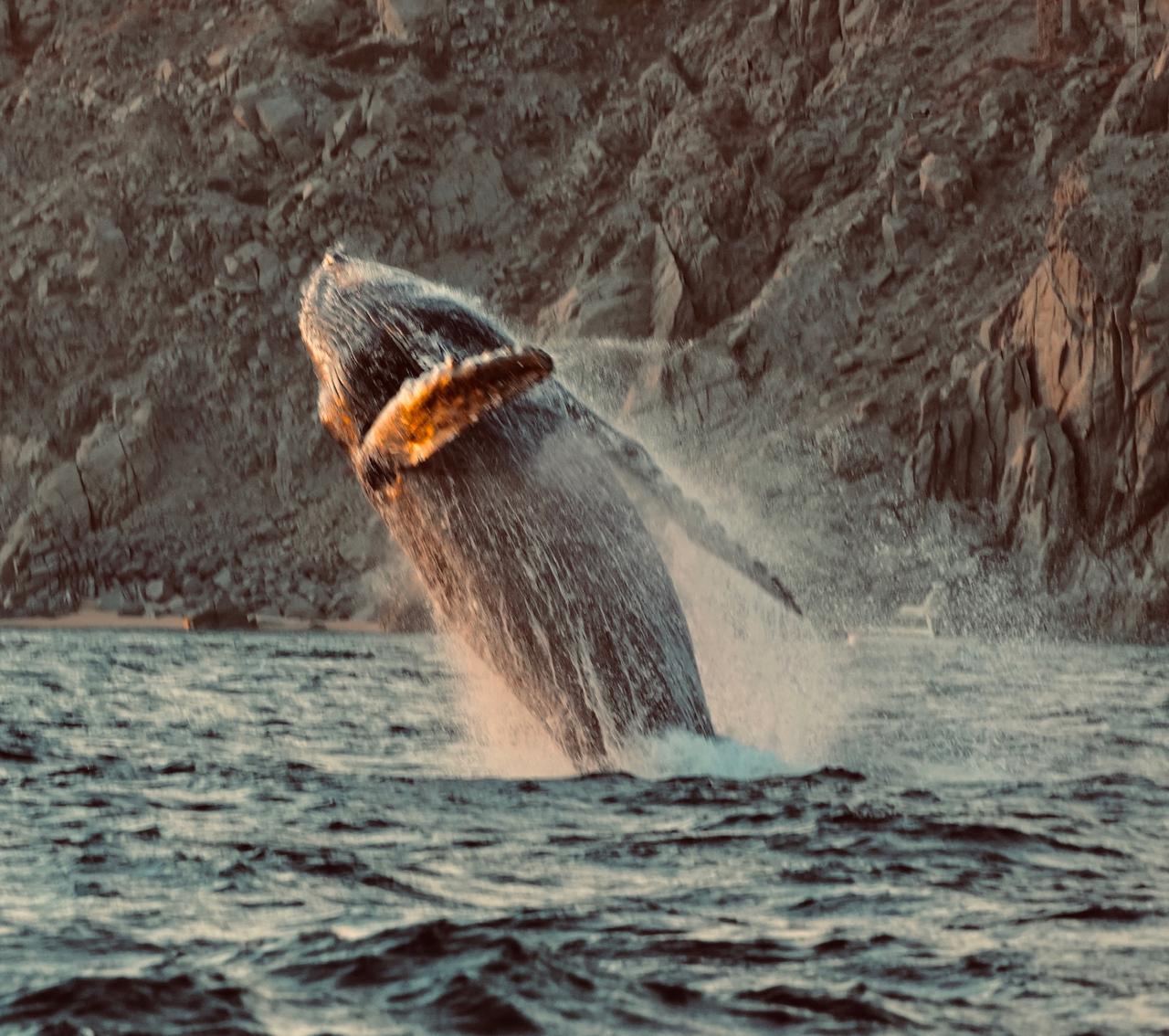
Whale Watching Experience
<p class='text-muted-foreground'>Witness the world's most spectacular whale migration. December-April seasonal experience in Los Cabos waters.</p>
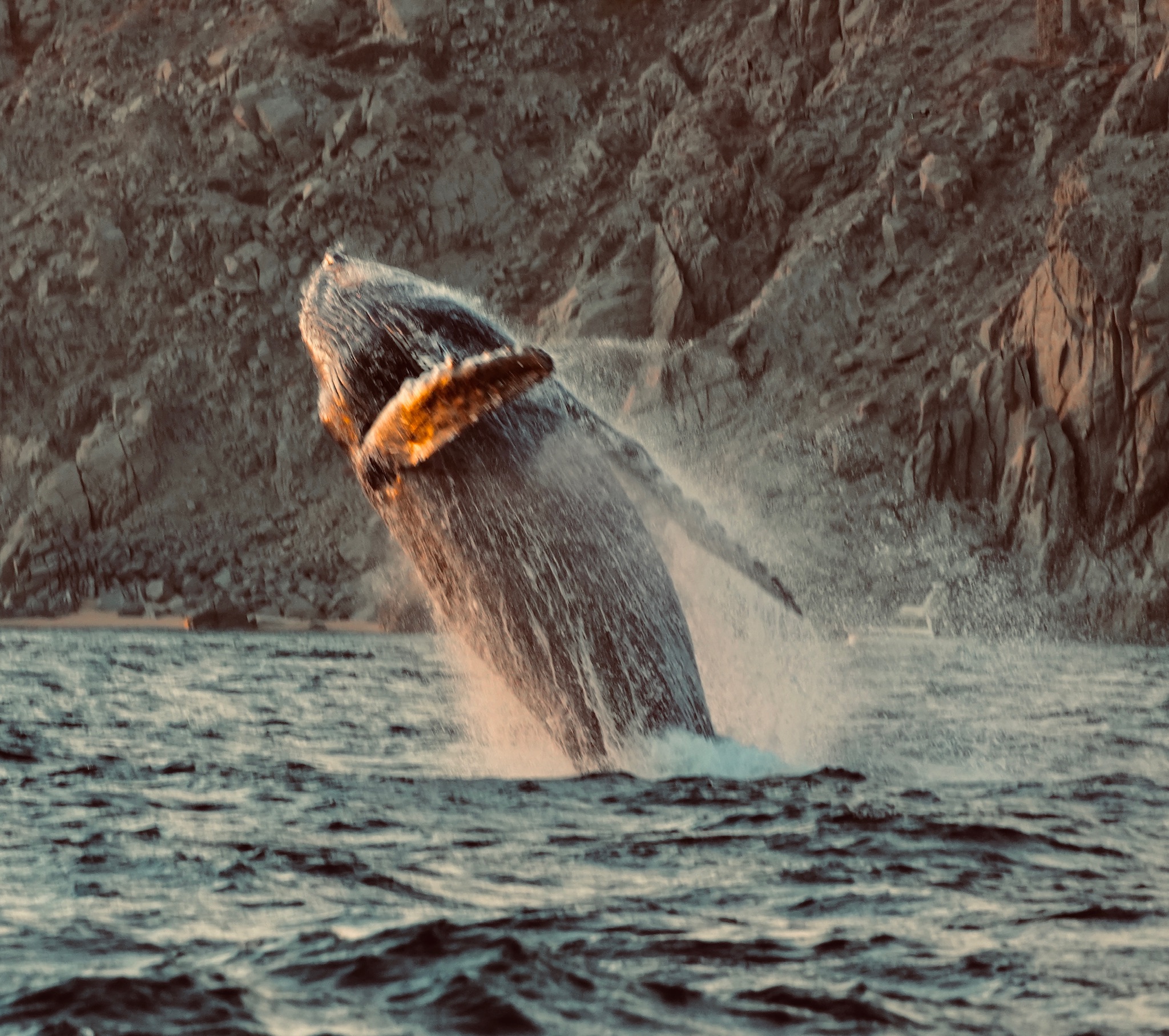
Ocean Safari
<p class='text-muted-foreground'>Marine wildlife expedition searching for whales, orcas, dolphins, whale sharks, and more.</p>
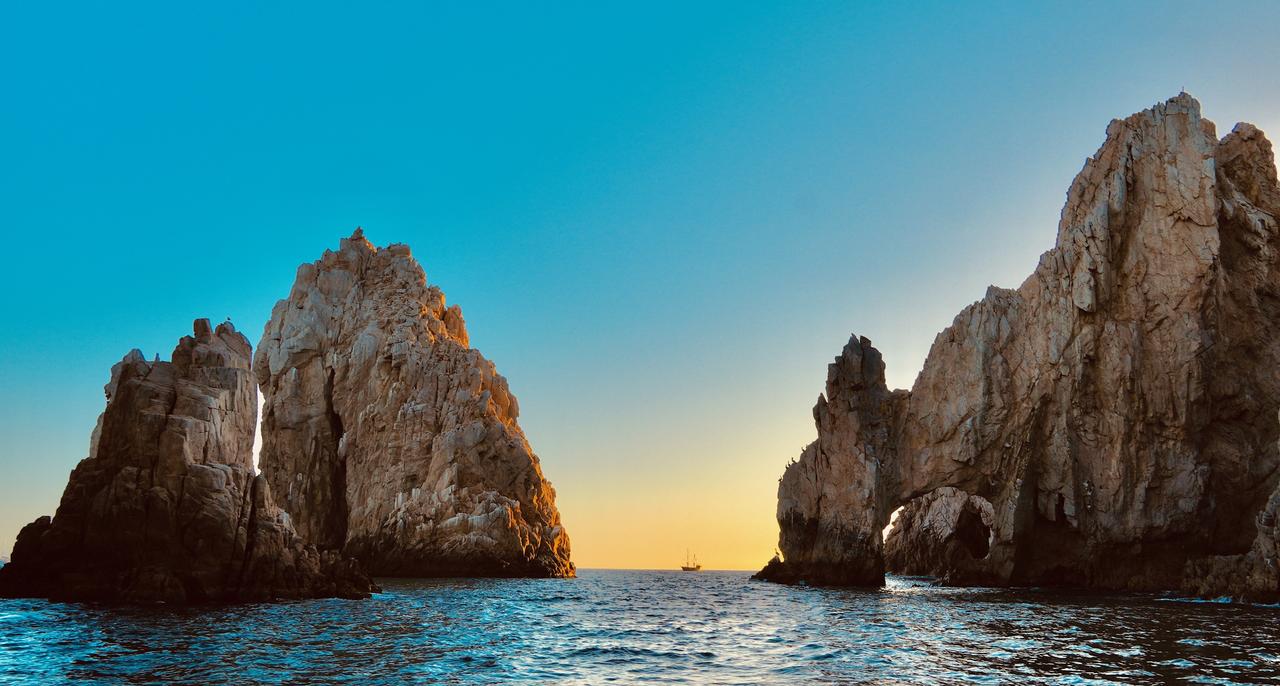
Cabo San Lucas Snorkeling & Marine Park
<p class='text-muted-foreground'>Experience iconic marine park environments at El Arco and Pelican Rock.</p>
Whale Watching Experience
<p class='text-muted-foreground'>Witness the world's most spectacular whale migration. December-April seasonal experience in Los Cabos waters.</p>
Ocean Safari
<p class='text-muted-foreground'>Marine wildlife expedition searching for whales, orcas, dolphins, whale sharks, and more.</p>
Cabo San Lucas Snorkeling & Marine Park
<p class='text-muted-foreground'>Experience iconic marine park environments at El Arco and Pelican Rock.</p>