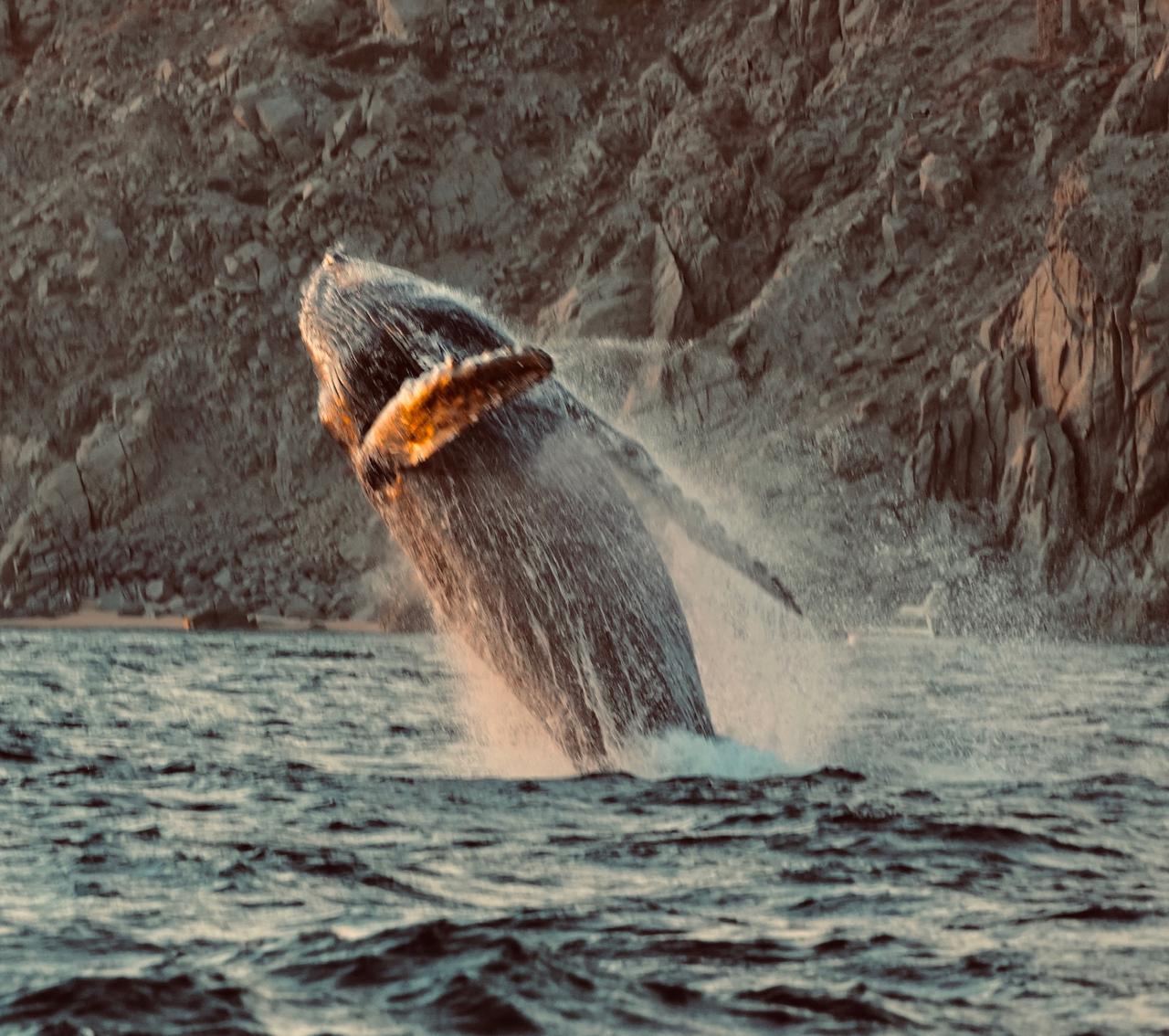
Whale Watching Experience
One of the world's most spectacular wildlife migrations
Whale Season: Mid-November – Mid-April (timing may vary slightly each year)
Witness One of Earth's Most Spectacular Wildlife Migrations
Every winter, humpback whales travel thousands of miles from Alaska and Canada to the warm waters of Baja California Sur to mate, give birth, and raise their calves. This is one of nature's most magnificent phenomena. Mid-November through mid-April, you'll have the opportunity to observe these extraordinary creatures in one of the world's premier whale watching destinations.
This experience focuses on respectful wildlife observation, education, and creating meaningful connections with nature. We guide with reverence for these magnificent creatures and their journey, combining scientific knowledge with conservation commitment to create expeditions that matter.
The Great Migration
The Journey
12,000+ miles round-trip annually
- • Arctic feeding grounds to Baja breeding grounds
- • One of Earth's longest mammal migrations
- • Driven by seasonal and reproduction cycles
- • Testament to nature's resilience and power
Seasonal Timing
Whale Season: Mid-November – Mid-April (timing varies each year)
- • Mid-November – First whales begin arriving (timing varies each year)
- • December – Activity increases significantly
- • January – March – Peak whale watching season
- • Mid-April – Most whales begin their northbound migration
- • Mothers with calves are commonly observed throughout much of the season
The Journey
12,000+ miles round-trip annually
- • Arctic feeding grounds to Baja breeding grounds
- • One of Earth's longest mammal migrations
- • Driven by seasonal and reproduction cycles
- • Testament to nature's resilience and power
Seasonal Timing
Whale Season: Mid-November – Mid-April (timing varies each year)
- • Mid-November – First whales begin arriving (timing varies each year)
- • December – Activity increases significantly
- • January – March – Peak whale watching season
- • Mid-April – Most whales begin their northbound migration
- • Mothers with calves are commonly observed throughout much of the season
Possible Wildlife Encounters
Experience encounters with iconic Baja marine life and rare species
Humpback Whales
The primary focus of winter whale watching. Expect to observe breaching, spyhopping, tail slaps, mothers with nursing calves, and spectacular surface activity—behavior rarely seen in other whale species.
Dolphins
Bottlenose dolphins, Pacific spinner dolphins, and other species are commonly encountered. Their intelligence and playful behavior create engaging wildlife moments throughout your expedition.
Sea Lions
California sea lions are abundant in Baja waters. You'll often see them resting on rocks, swimming, and occasionally interacting with your boat—their curiosity and social behavior are delightful to observe.
Mobula Rays
Occasionally observed, particularly in spring months. Their acrobatic jumping behavior—sometimes in large groups—is truly spectacular when encountered.
Sea Turtles
Green sea turtles and loggerhead turtles inhabit Baja waters. Spotting these ancient reptiles adds another dimension to your marine wildlife experience.
Marine Birds
Magnificent frigatebirds, boobies, pelicans, and numerous seabird species. Bird watching often rivals whale watching in interest for nature enthusiasts.
Orcas (Killer Whales)
Rare but thrilling seasonal encounters, particularly during winter months. These highly intelligent apex predators represent one of the ocean's most magnificent marine mammals. Sightings are uncommon but create unforgettable moments when they occur.
Gray Whales & Other Cetaceans
Less common but possible encounters with gray whales, blue whales, or other cetaceans depending on season and location. Every expedition has surprise potential.
Humpback Whales
The primary focus of winter whale watching. Expect to observe breaching, spyhopping, tail slaps, mothers with nursing calves, and spectacular surface activity—behavior rarely seen in other whale species.
Dolphins
Bottlenose dolphins, Pacific spinner dolphins, and other species are commonly encountered. Their intelligence and playful behavior create engaging wildlife moments throughout your expedition.
Sea Lions
California sea lions are abundant in Baja waters. You'll often see them resting on rocks, swimming, and occasionally interacting with your boat—their curiosity and social behavior are delightful to observe.
Mobula Rays
Occasionally observed, particularly in spring months. Their acrobatic jumping behavior—sometimes in large groups—is truly spectacular when encountered.
Sea Turtles
Green sea turtles and loggerhead turtles inhabit Baja waters. Spotting these ancient reptiles adds another dimension to your marine wildlife experience.
Marine Birds
Magnificent frigatebirds, boobies, pelicans, and numerous seabird species. Bird watching often rivals whale watching in interest for nature enthusiasts.
Orcas (Killer Whales)
Rare but thrilling seasonal encounters, particularly during winter months. These highly intelligent apex predators represent one of the ocean's most magnificent marine mammals. Sightings are uncommon but create unforgettable moments when they occur.
Gray Whales & Other Cetaceans
Less common but possible encounters with gray whales, blue whales, or other cetaceans depending on season and location. Every expedition has surprise potential.
What's Included
Our Conservation Philosophy
Why Do Humpback Whales Come to Baja California Sur?
Optional Add-Ons
Why Baja Elemental
What sets our whale watching experiences apart
Expert Leadership
PADI-certified guides with 10+ years professional experience in whale watching, marine biology, and expedition leadership—not just boat drivers, but genuine marine naturalists passionate about ocean education.
Local Knowledge
Year-round Baja residents who know whale migration patterns, optimal viewing locations, seasonal behaviors, and track whale populations intimately—knowledge no outside operator can match.
Personalized Experience
Small groups ensure intimate encounters, individual attention, and a pace that works for every participant's comfort—not a crowded tour boat experience.
Custom Expeditions
We design experiences around your interests—whether you want photography opportunities, detailed behavioral observation, family-friendly pacing, or any special combination. We create the whale watching expedition that matters most to you.
Expert Leadership
PADI-certified guides with 10+ years professional experience in whale watching, marine biology, and expedition leadership—not just boat drivers, but genuine marine naturalists passionate about ocean education.
Local Knowledge
Year-round Baja residents who know whale migration patterns, optimal viewing locations, seasonal behaviors, and track whale populations intimately—knowledge no outside operator can match.
Personalized Experience
Small groups ensure intimate encounters, individual attention, and a pace that works for every participant's comfort—not a crowded tour boat experience.
Custom Expeditions
We design experiences around your interests—whether you want photography opportunities, detailed behavioral observation, family-friendly pacing, or any special combination. We create the whale watching expedition that matters most to you.
Frequently Asked Questions
Common questions about whale watching in Baja California Sur
When is whale season in Baja California Sur? ▼
Whale season typically runs from mid-November through mid-April, with peak activity in January through March. The exact timing varies slightly each year based on migration patterns. December through March offers the highest probability of encounters and most active whale behavior.
Are whale sightings guaranteed? ▼
No, whale sightings are never guaranteed—this is a wild animal encounter, not a controlled attraction. However, during peak season (January-March), encounter probability is very high, typically exceeding 90% on properly executed expeditions. Our expert guides use local knowledge and real-time activity reports to maximize encounter likelihood. If whales aren't found on your specific day, we work with you on rescheduling or alternative experiences.
Do I need previous whale watching or boating experience? ▼
No experience is necessary. Our whale watching expeditions welcome everyone from first-time visitors to experienced naturalists. Your guide provides all instruction and manages the experience entirely. The only requirement is comfort being on a boat in open water and enthusiasm for marine wildlife.
Is whale watching suitable for children and families? ▼
Yes, absolutely. Whale watching is one of the most popular family experiences. Children typically find whales fascinating, and the breaching and surface behaviors are exciting for all ages. We recommend children be at least 4-5 years old and comfortable on boats. Shorter expedition options are available for families with younger children. Motion sickness is possible in any boat experience—discuss this when booking if concerned.
What should I bring on a whale watching expedition? ▼
Essentials include reef-safe sunscreen, hat or visor, sunglasses, towel, light jacket or fleece (mornings and evenings can be cool on the water), swimsuit, motion sickness medication if prone to seasickness, and a camera if you want photos. We provide water and snacks. Layers are recommended since ocean breezes and spray can create cooling effects despite daytime warmth.
What if I'm prone to seasickness? ▼
Ocean conditions vary daily. We select boat routes based on forecasted sea conditions and try to avoid rough seas. However, open water can sometimes have waves. Consider motion sickness medication if you're prone to seasickness—many guests find over-the-counter options helpful. Talk with your guide about your concerns, and we can discuss prevention strategies and boat positioning that may help.
How long are whale watching expeditions? ▼
Typical whale watching expeditions last 4-6 hours including travel time from the marina, searching for whales, and observing. Some guests prefer morning departures with afternoon returns; others prefer afternoon timing. Duration can be customized based on your preferences and group needs. We discuss timing when you book your experience.
How close can we get to whales? ▼
We maintain respectful distances governed by Mexican marine protection laws and international wildlife viewing guidelines. The distance varies based on whale behavior and regulatory requirements—typically 50-100+ meters depending on circumstances. We position for optimal viewing while respecting whale space and natural behavior. Whales that aren't stressed by approaching boats are far more interesting to observe.
Will we see mothers with calves? ▼
Mothers with nursing calves are commonly observed throughout the whale watching season. These are among the most touching encounters—watching the bond between mother and calf and observing calves learning to breach and surface. We never approach mothers and calves aggressively, always giving them extra space and respect. These encounters typically occur naturally as you travel through migration corridors.
What equipment is provided? ▼
We provide binoculars for enhanced whale observation, weather protection on the boat, comfortable seating, safety equipment, and all logistics needed for your expedition. You don't need to bring anything except personal items like sunscreen, cameras, and comfort gear. All you need to focus on is the experience itself.
Can we customize the whale watching experience? ▼
Absolutely. Every expedition is private and customizable. Interested in photography? We'll optimize positioning and timing for images. Want maximum wildlife education? We expand the educational commentary. Celebrating something special? We create moments around your occasion. Contact us with your interests and preferences, and we'll design your perfect whale watching experience.
What other marine life might we see besides whales? ▼
Humpback whales are the primary focus, but whale watching in Baja waters offers incredible biodiversity. Common sightings include dolphins (bottlenose and spinner dolphins), sea lions, sea turtles, mobula rays (especially in spring), marine birds (frigatebirds, boobies, pelicans), and occasionally other cetaceans like gray whales or blue whales. Every expedition is different—that's part of the adventure!
Related Experiences
Continue exploring Los Cabos marine wildlife
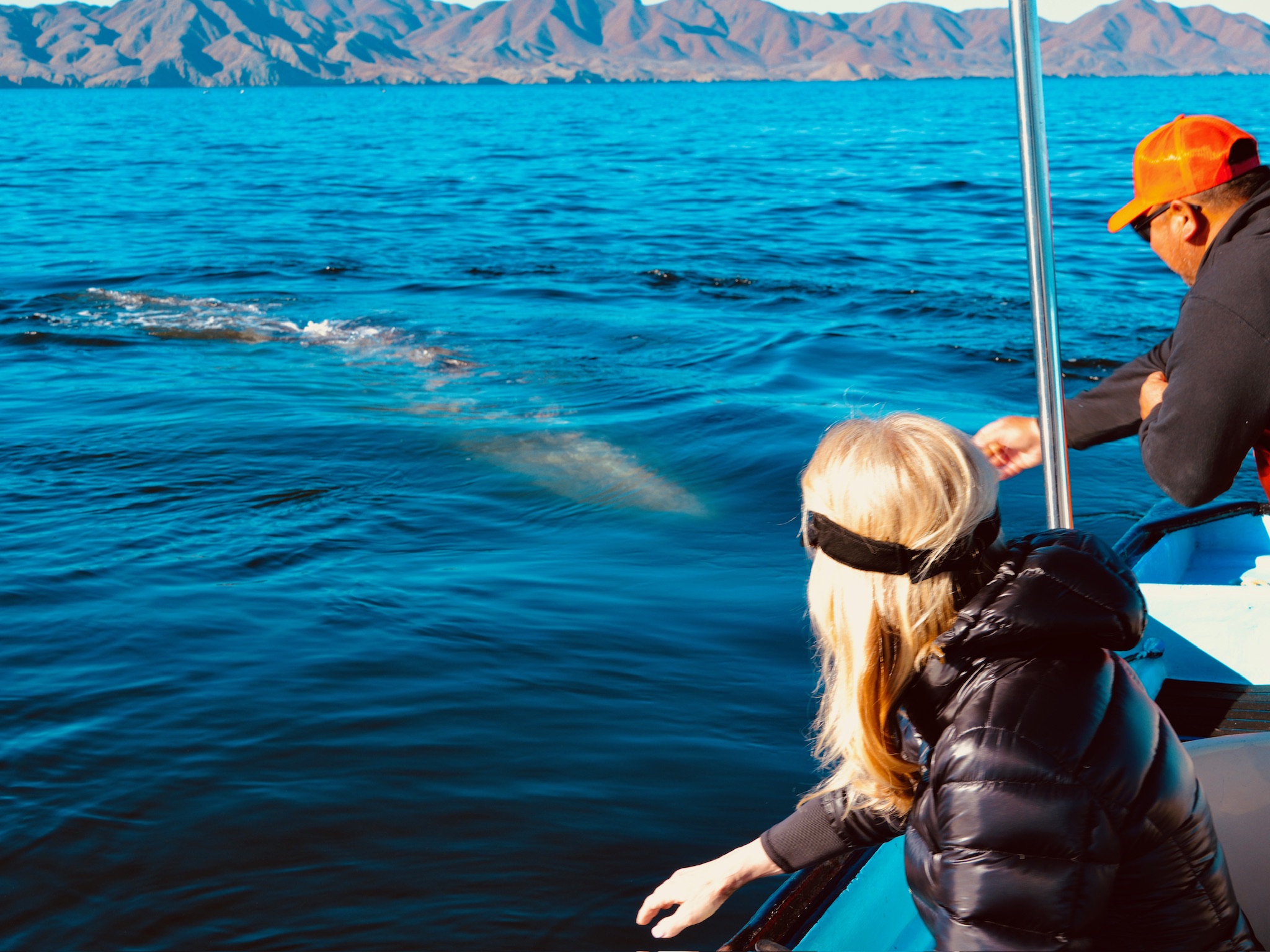
Whale Watching & Snorkeling Combo
<p class='text-muted-foreground'>Combine whale watching with afternoon reef snorkeling. Two complementary Los Cabos marine experiences in a single day.</p>
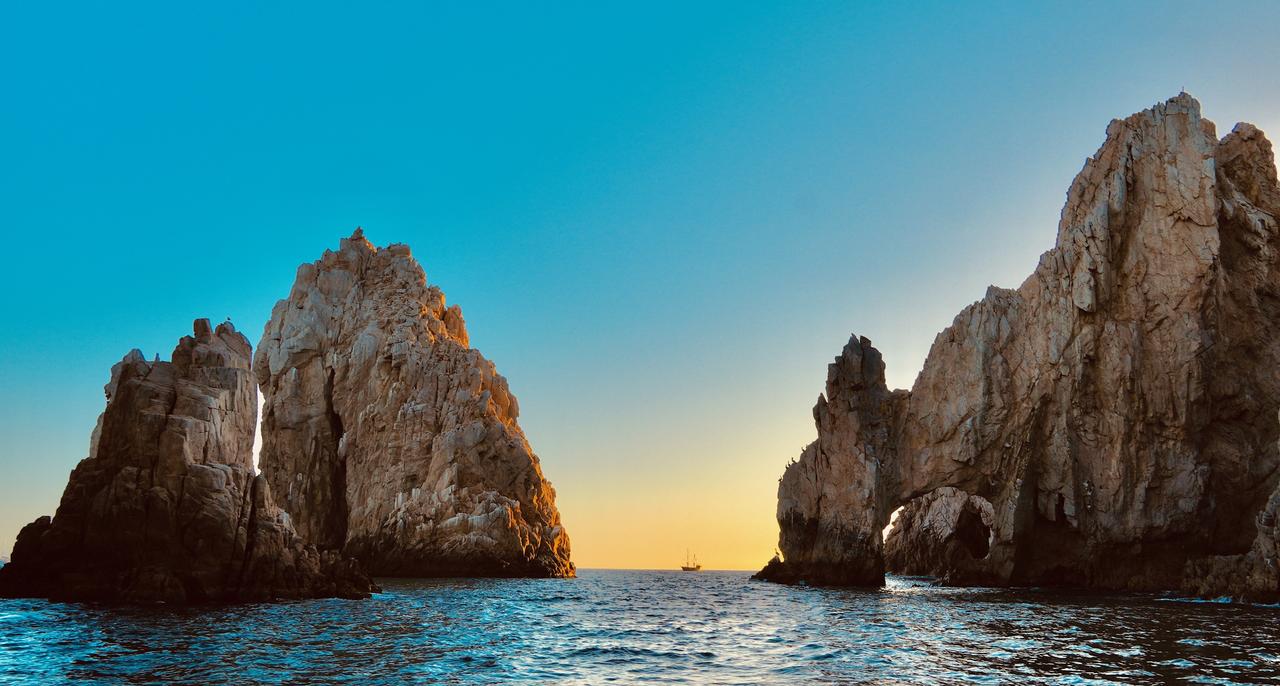
Cabo San Lucas Snorkeling & Marine Park
<p class='text-muted-foreground'>Experience iconic marine environments at El Arco and Pelican Rock. Dramatic scenery and abundant wildlife year-round.</p>
Whale Watching & Snorkeling Combo
<p class='text-muted-foreground'>Combine whale watching with afternoon reef snorkeling. Two complementary Los Cabos marine experiences in a single day.</p>
Cabo San Lucas Snorkeling & Marine Park
<p class='text-muted-foreground'>Experience iconic marine environments at El Arco and Pelican Rock. Dramatic scenery and abundant wildlife year-round.</p>