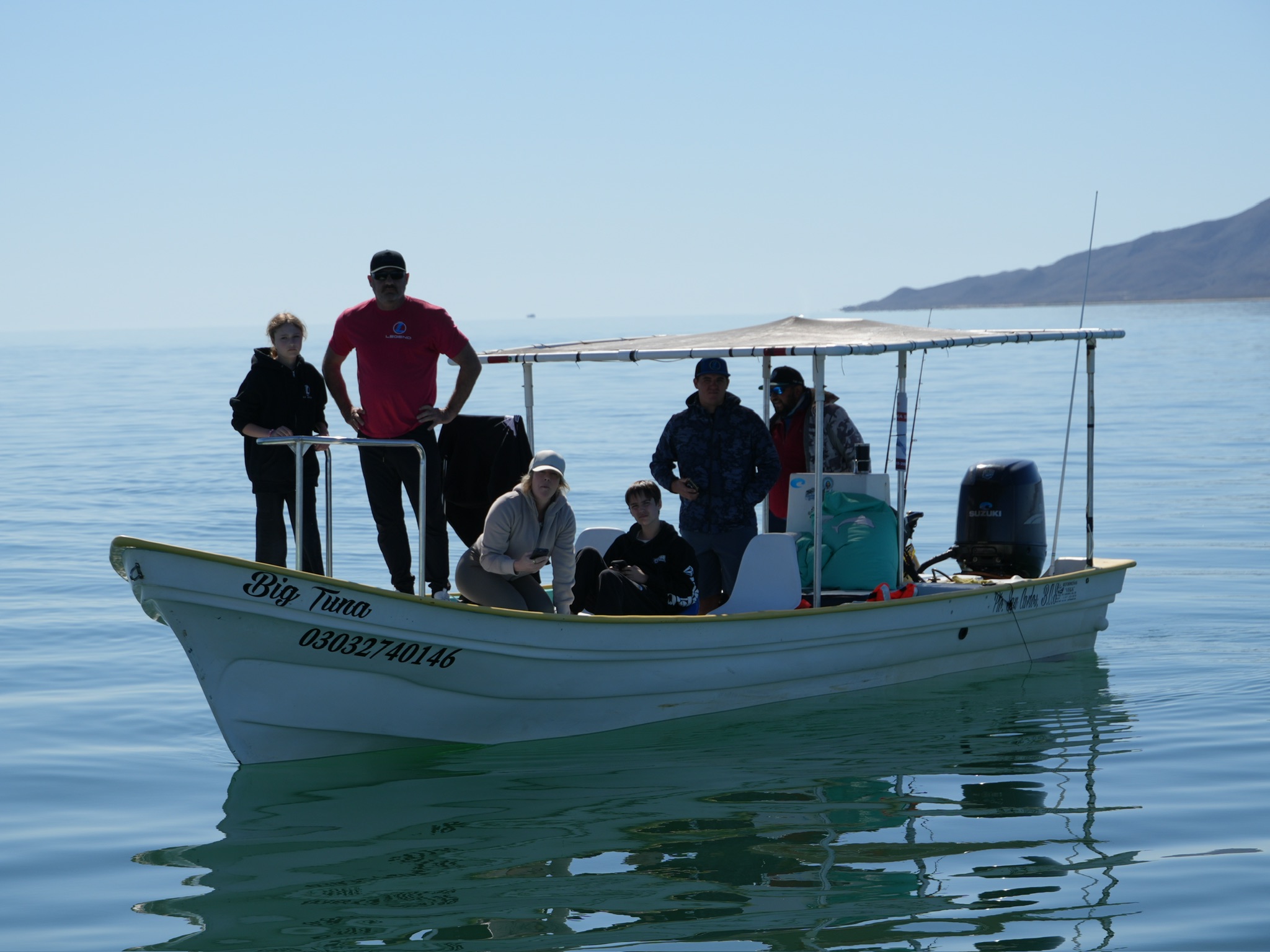
Practices We Strictly Avoid
Non-negotiable ethical boundaries that protect wildlife welfare and conservation integrity.
These practices harm wildlife welfare or violate conservation and legal principles. We don't engage in them, regardless of guest requests or circumstances. They represent non-negotiable ethical boundaries.
Practices That Harm Wildlife
Feeding, Baiting, or Artificially Attracting Wildlife
We never use chumming, feeding, or artificial baiting to locate or attract wildlife.
Why: Feeding disrupts natural behavior, creates human dependency, and introduces harmful food sources. Animals learn to associate boats with food rather than viewing humans as threats—changing their natural fear responses.
Our approach: Wildlife encounters are based on seasonal presence, migration patterns, known feeding areas, and behavioral expertise—not artificial attraction methods.
Chasing, Pursuing, or Cornering Animals
We never chase, pursue, or corner animals for photos, encounters, or any reason.
Why: Chasing causes stress and exhaustion regardless of motivation or photographic desire. Animals expend energy they need for survival, and repeated stress can harm health and populations.
Our approach: We maintain appropriate distances, use slow approaches, and allow animals to set the pace of interaction.
Continuing Encounters When Animals Show Stress or Avoidance
This is non-negotiable. When animals show stress signals, we withdraw immediately.
Why: Ignoring stress signals harms wildlife and violates animal welfare principles. Guides must prioritize animal welfare over guest expectations, photo opportunities, or schedule pressures.
Our approach: Guides continuously monitor animal behavior and abort encounters if needed, regardless of timing or cost.
Separating Mothers from Calves or Disturbing Family Groups
We never separate mothers and offspring or disturb family groups.
Why: Separation causes distress for both mother and offspring, endangers vulnerable calves, and disrupts essential family bonding and learning.
Our approach: We maintain respectful distance from mothers with calves, particularly during breeding seasons and migration periods.
Harassing, Intentionally Stressing, or Trapping Animals
We never intentionally harass or stress animals for any reason.
Why: Intentional harassment causes direct harm and violates basic ethical principles of animal welfare. It's illegal under many conservation laws.
Our approach: All interactions are designed with animal welfare and comfort as the priority.
Violations of Conservation & Regulations
Disturbing Nesting Areas, Breeding Colonies, or Protected Species Habitats
We fully comply with breeding season closures and protected habitat regulations.
Why: Breeding and nesting periods are critical for population survival. Disturbance during these periods can cause reproduction failure and population decline.
Our approach: We respect all seasonal closures and protect sensitive sites during vulnerable periods.
Violating Marine Reserve or Protected Area Regulations
We follow all local marine reserve and protected area guidelines precisely.
Why: Marine reserves exist to protect ecosystems and species. Violations undermine conservation efforts and harm Baja's marine environment.
Our approach: We adhere to Cabo Pulmo National Marine Park guidelines, regional operator standards, and all protected area regulations.
Collecting Shells, Coral, Specimens, or Artifacts
We never collect shells, coral, specimens, or cultural artifacts from Baja.
Why: Collection damages ecosystems, removes critical habitat, and violates protected area regulations. These items belong in nature, not in homes.
Our approach: We practice "leave no trace" diving and beach activities. Guests observe and document but never collect.
Using Destructive Fishing Methods or Collection Practices
We support sustainable practices exclusively and never engage in destructive fishing or collection.
Why: Destructive practices harm marine ecosystems, deplete fish populations, and violate conservation principles we're committed to upholding.
Our approach: We partner with sustainable fishing practices and support local conservation initiatives.
Participating in Unethical Animal Entertainment or Exploitation
We never engage in animal entertainment, captivity, or exploitation of any kind.
Why: Animal entertainment causes suffering and commodifies wildlife. We support conservation and respect for nature, not entertainment.
Our approach: We support conservation, not commodification. All interactions prioritize animal welfare and natural behavior.
Our Commitment to You & Baja's Wildlife
These practices represent non-negotiable ethical boundaries. When you join a Baja Elemental expedition, you can trust that:
- ✓ Animal welfare is our top priority in every decision
- ✓ We follow all legal regulations and conservation standards
- ✓ We won't compromise wildlife ethics for schedule, photos, or guest requests
- ✓ Our guides have authority to end encounters when necessary
- ✓ Every expedition supports Baja's marine conservation efforts
- ✓ We're transparent about our practices and conservation impact
Experience Ethical Wildlife Expeditions
Join us for an expedition where these ethical boundaries protect wildlife and create authentic, meaningful encounters with Baja's marine world.
Plan Your Adventure